



Flat Stack Opthalmic Knives
Our Flat Stock Blades are precision-ground from high-quality, Serving as a highly dependable and cost-effective choice, covers the full spectrum of anterior segment incisions required in modern cataract and corneal surgeries.
Flat Stack Opthalmic Knives Products
Explore a curated range of high-quality medical products engineered for precision, reliability, and consistent clinical performance.
5 products available
Enlarger Blades
Crescent Blades
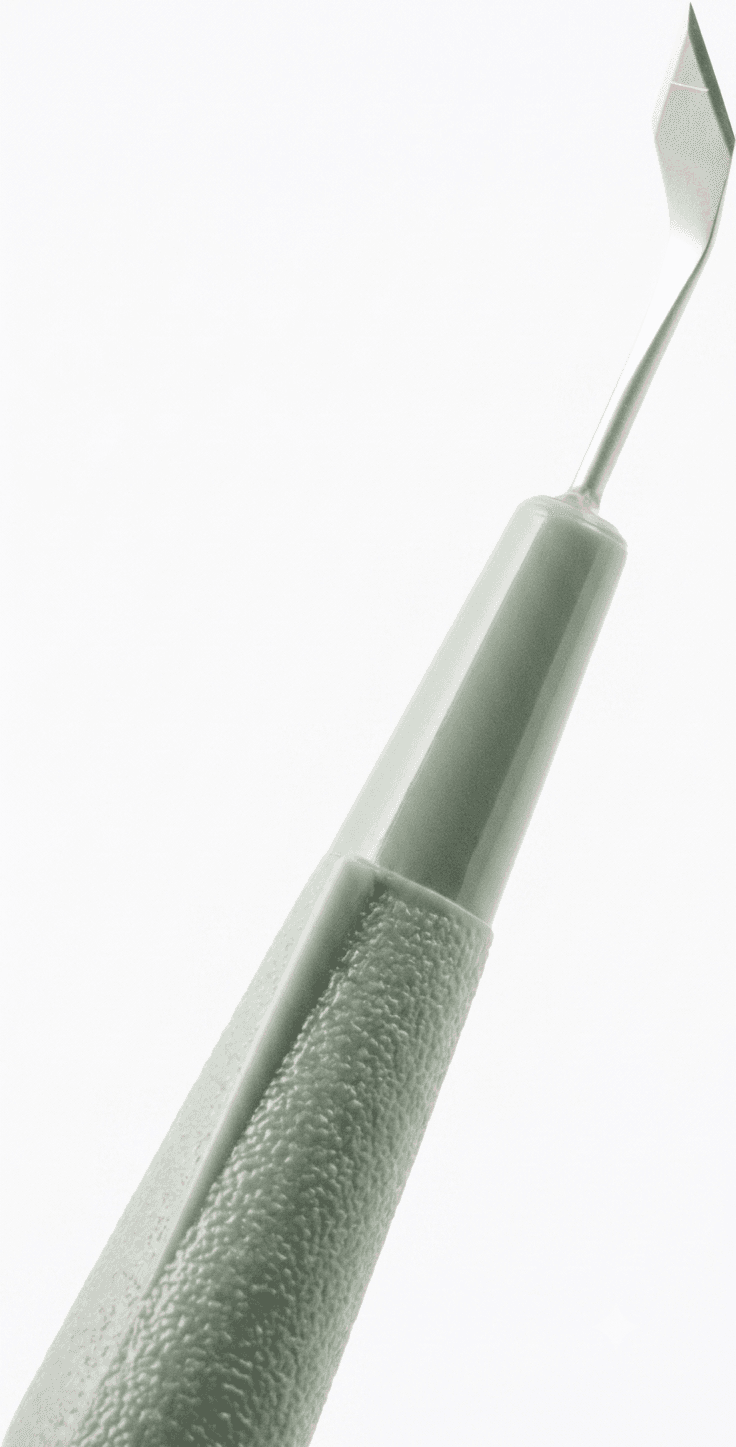
Crescent blades feature a rounded dissecting edge that enables smooth, consistent-depth scleral tunneling for reliable, self-sealing sutureless wounds.
Clear Cornea Blades
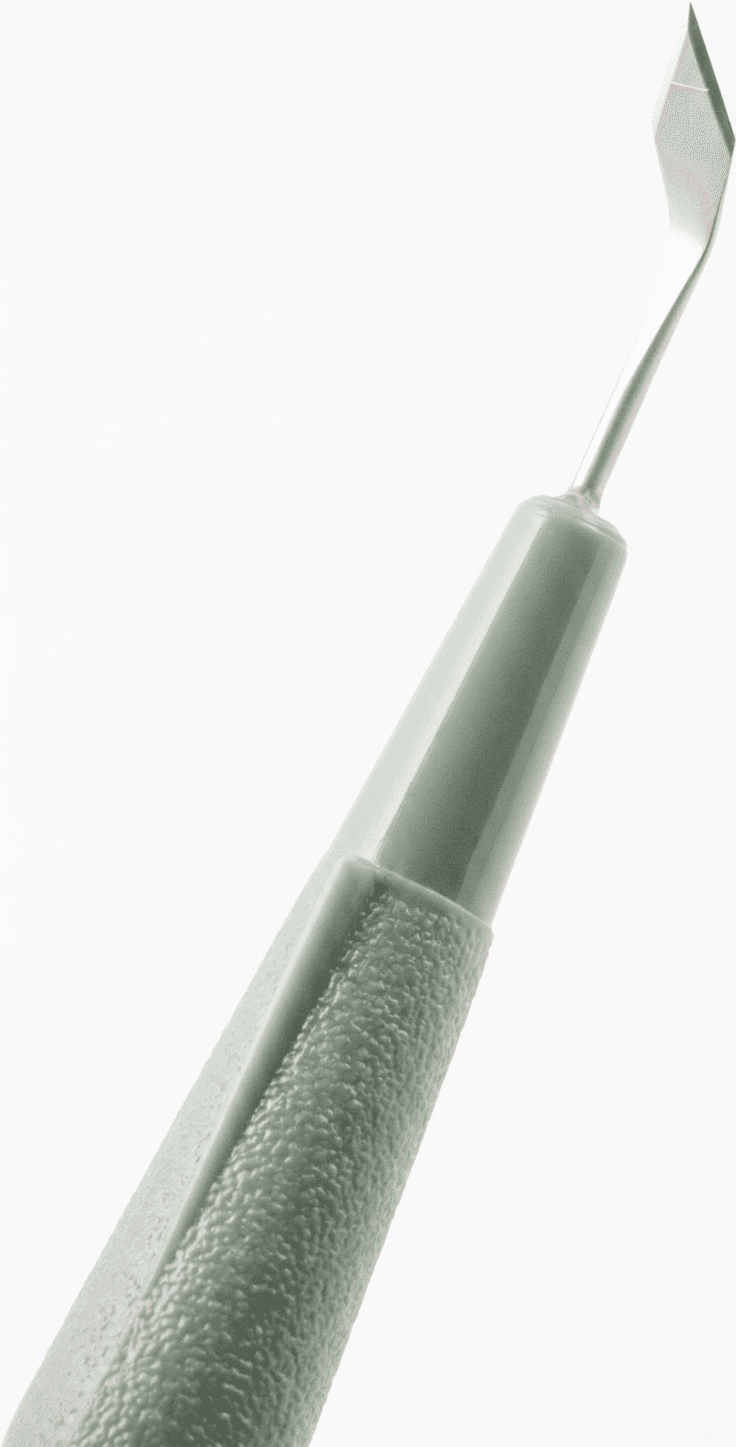
Designed with a thin, flat-strip construction, these stainless-steel blades track with exceptional predictability through delicate ocular tissue.
Slit / Keratome Blades
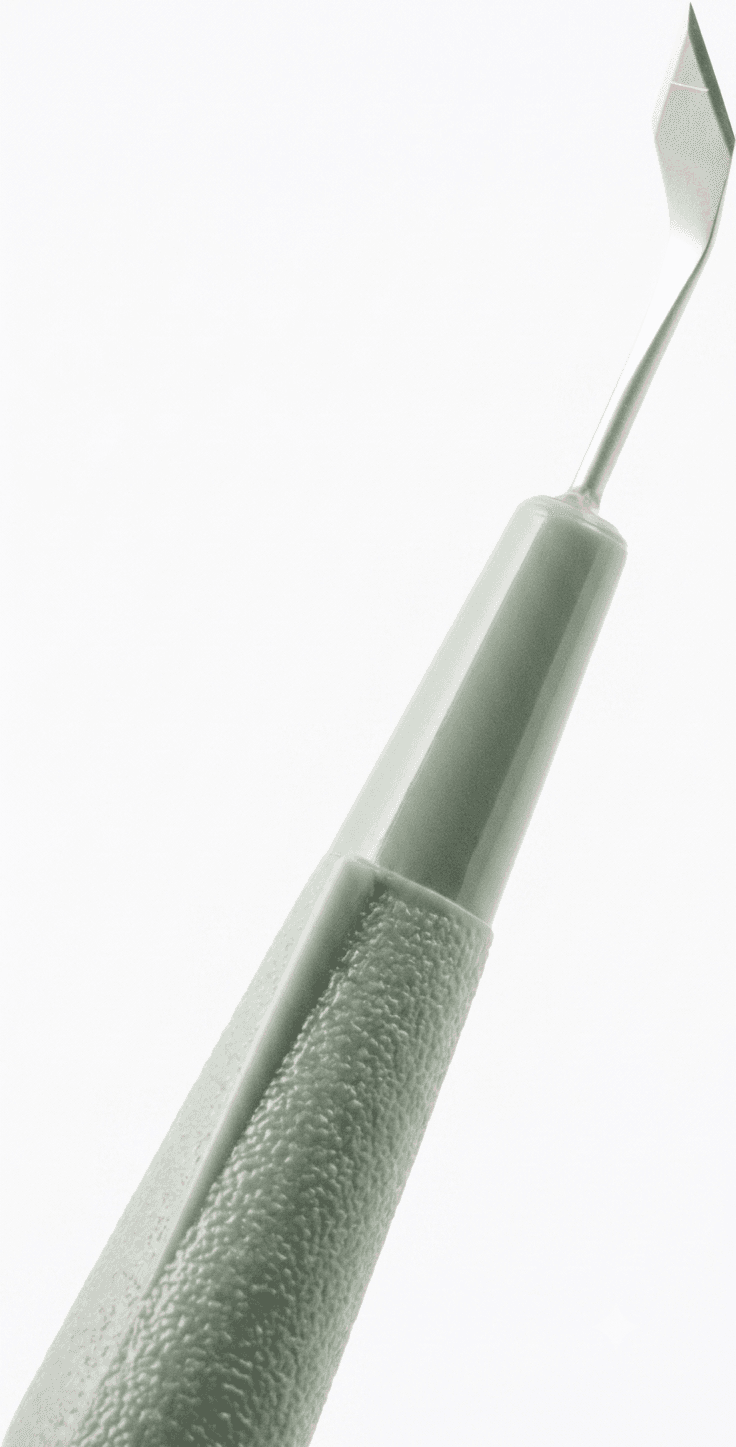
Sideport / Stab Blades
Superior sharpness, consistent performance
Precision Strip-Ground Ophthalmic Blades
Our Flat Stock Blades deliver standard-setting reliability for modern micro-incisions. By utilizing advanced manufacturing techniques on pre-hardened, pre-thinned stainless-steel strips , these blades achieve a slim, uniform profile that ensures excellent tactile feedback and high predictability during entry and wound tracking. Ideal for high-volume surgical centers, hospitals, and competitive distribution tenders, the Flat Stock line guarantees clean wound construction without compromising on edge sharpness or sterility.
Targeted Blade Configurations
-
Sideport / Stab Blades: Engineered to execute the paracentesis or side-port puncture, giving secondary instruments (such as choppers or cannulas) seamless access to the anterior chamber. The tapered profile minimizes tissue trauma at the entry point and supports a reproducible, watertight, self-sealing wound geometry every time.
-
Specifications: 15 Deg blade tip angle, available in 0 Deg straight, as well as 45 Deg Right Bevel and Left Bevel configurations for adaptable surgical access. Features a classic lance tip.
-
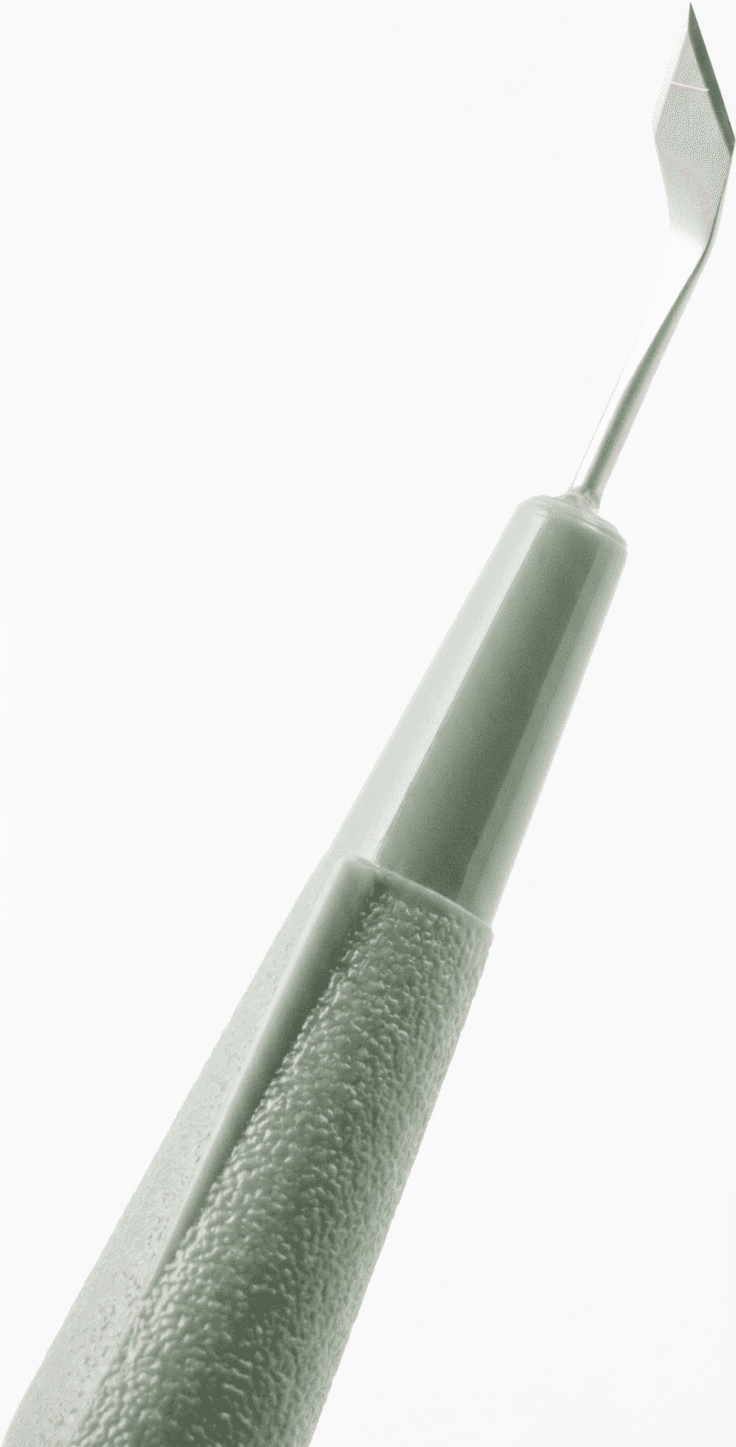
- Slit / Keratome Blades: Engineered specifically to construct the primary corneal or limbal entry tunnel for phacoemulsification and irrigation/aspiration instrumentation. The precision-ground cutting edge produces a controlled width that allows smooth instrument passage while tightly maintaining anterior chamber stability and preventing wound leakage.
-
Specifications: Bevel up 45 Deg, available in a wide sizing layout from 1.5 mm up to 3.5 mm (including 1.5, 1.8, 2.0, 2.2, 2.4, 2.5, 2.65, 2.75, 2.8, 3.0, 3.2, 3.5 mm). Features a single-bevel keratome tip style.
-
Clear Cornea Blades: Purpose-built to craft a clean, linear incision for the clear-corneal approach in cataract extraction. Features a high-performance Bi-Bevel 45 Deg edge (sizes 2.2 mm to 3.2 mm).
-
-
Parallel-Sided Variant: Features parallel edges without a secondary cutting surface to allow unrestricted forward-and-back instrument maneuvering without accidentally widening the entry wound. It includes built-in depth-reference markings at 1.0 mm, 1.5 mm, and 2.0 mm to give surgeons a reliable reference visual during staged wound construction.
-
-
- Crescent / Tunnel Blades: Designed to fashion uniform scleral tunnels or self-sealing scleral valve incisions. The rounded, dissecting edge sweeps cleanly through scleral layers at a highly consistent depth, yielding a tight, uniform tunnel that seals reliably without the need for post-operative sutures. The slim strip profile provides superb surgical visibility and control.
-
Specifications: Bevel up 45 Deg, available in 2.2 mm and 2.6 mm sizes.
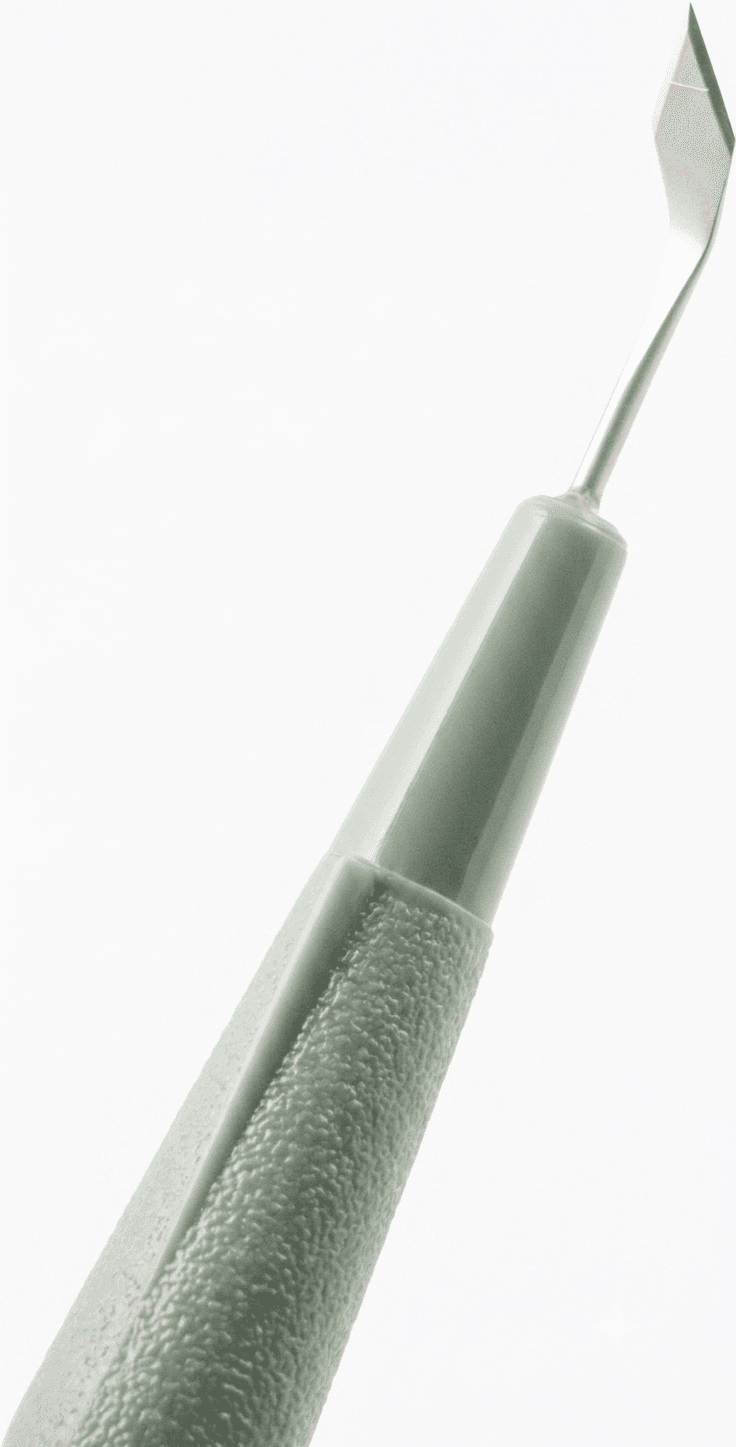
- Enlarger Blades (Implant Keratome): Developed cleanly to widen an existing primary wound path to the precise symmetrical width required for successful IOL delivery. The tapered profile and blunt-shouldered tip design ensure smooth, symmetrical enlargement while eliminating the risk of irregular margins or tearing during lens implantation.
-
-
Specifications: Bevel up 45 Deg, available in 3.5 mm, 4.0 mm, 5.2 mm, and 5.5 mm sizes to fit foldable and rigid IOL delivery systems alike
-
-
-
Supply Specifications
-
Material: Pre-hardened, pre-thinned stainless-steel strip.
-
Packaging: Sterile, single-use, full-handled configuration packed 10 pcs / box
-
-

Advancing Healthcare ThroughPrecision & Innovation
Discover world-class ophthalmic solutions, trusted medical products, and seamless procurement support designed to elevate clinical outcomes across hospitals, clinics, surgical centers, and healthcare institutions.