


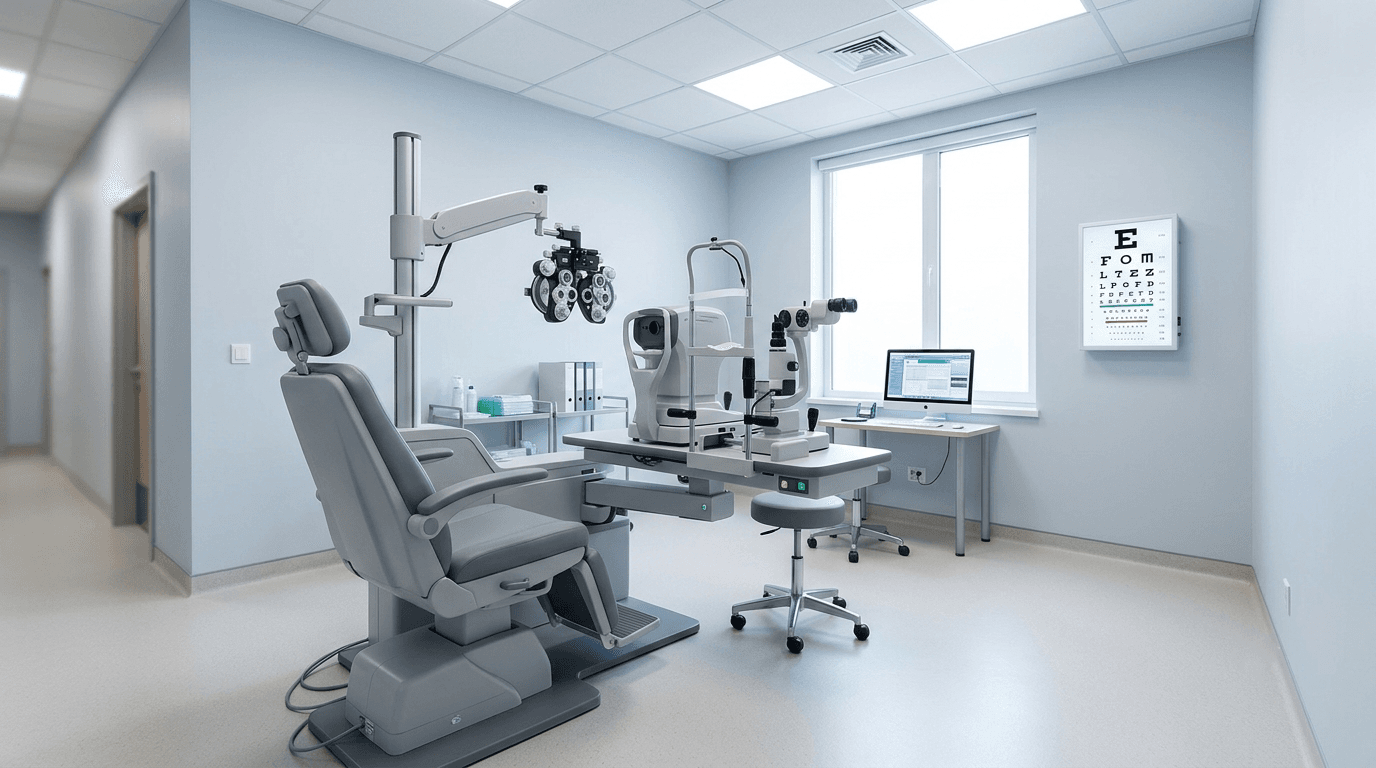
How to Choose Ophthalmic Equipment for an Eye Clinic
Choosing the right Ophthalmic equipment is an important decision for eye clinics, ophthalmology practices, diagnostic centres, and surgical facilities. The equipment used for examination, measurement, diagnosis, and preoperative assessment can directly influence clinical workflow, measurement accuracy, and the ability of healthcare professionals to evaluate different ocular conditions.
For procurement teams and ophthalmology professionals, selecting equipment should therefore involve more than comparing specifications or prices. The right approach is to consider the clinical application, type of examination, workflow requirements, usability, and long-term supply support.
Medsprings provides a focused portfolio of ophthalmic diagnostic equipment and eye-care instruments covering biometry, lens measurements, ocular examination, tonometry, corneal measurement, vision and refraction, and ophthalmic clinical environments.
What Is Ophthalmic Equipment?
Ophthalmic equipment refers to specialised instruments and systems used for eye examination, measurement, diagnosis, vision assessment, surgical planning, and other clinical applications in ophthalmology and eye care.
Depending on the requirements of a practice, ophthalmic equipment can include:
-
Biometry equipment
-
Slit lamps
-
Ophthalmoscopes
-
Tonometry equipment
-
Keratometers
-
Corneal measurement equipment
-
Lensometers
-
Lens edgers
-
Vision and refraction equipment
-
Diagnostic ultrasound systems
-
Ophthalmic examination instruments
-
Ophthalmic OT furniture
Medsprings brings these requirements together within its dedicated Ophthalmic Equipment portfolio.
Start With the Clinical Requirement
The first step in choosing ophthalmic diagnostic equipment is understanding what the equipment needs to accomplish.
An eye clinic performing routine examinations may have different requirements from a cataract surgery centre, optical laboratory, glaucoma clinic, or specialist diagnostic facility.
Before selecting equipment, procurement teams should consider:
-
What examinations will be performed?
-
Which measurements are required?
-
Is the equipment intended for routine or specialised diagnostics?
-
Will it be used in a fixed clinic or mobile setting?
-
How frequently will it be used?
-
Does the equipment need to integrate into an existing workflow?
-
What level of operator training is required?
Starting with the clinical application helps prevent unnecessary equipment purchases and makes the procurement process more focused.
Biometry Equipment for Ophthalmic Measurements
Biometry is particularly important in ophthalmic surgical planning and intraocular lens calculations.
Medsprings' Biometry portfolio includes A-Scan and A/B Scan ultrasound systems.
An A-Scan biometer is designed to measure anatomical dimensions of the eye, including axial length and anterior chamber depth, while combined A/B Scan systems can provide both biometric measurements and posterior-segment ultrasound imaging.
For ophthalmology centres involved in cataract evaluation and surgical planning, choosing appropriate ophthalmic biometry equipment is therefore an important procurement consideration.
Ocular Examination Equipment
Routine eye examination requires reliable instruments capable of providing clear and useful views of different structures of the eye.
Medsprings' Ocular Examination category includes:
-
Slit Lamps
-
Portable Slit Lamps
-
Direct Ophthalmoscopes
-
Binocular Indirect Ophthalmoscopes
Slit lamps support detailed examination of the anterior segment, while direct and indirect ophthalmoscopes provide different approaches to evaluating the posterior segment and retina.
For clinics that need flexibility, portable examination equipment can also support patient assessment outside a conventional examination room.
Tonometry and Intraocular Pressure Measurement
Intraocular pressure measurement is an important part of ophthalmic assessment, particularly when evaluating patients for conditions where IOP monitoring is clinically relevant.
Ophthalmic tonometry solutions can include different technologies and configurations, including:
-
Applanation tonometers
-
Schiotz tonometers
-
Non-contact tonometers
-
Handheld and rebound devices
When evaluating tonometry equipment, clinics should consider the clinical environment, patient workflow, measurement requirements, and ease of operation.
Corneal Measurement and Keratometry
Corneal measurement equipment can support applications involving corneal evaluation, contact lens fitting, and ophthalmic assessment.
Keratometry solutions can provide measurements of the corneal curvature, while related equipment such as pachymeters and corneal topography systems can support more specialised diagnostic requirements.
For practices providing comprehensive eye care, having access to appropriate corneal measurement and keratometry equipment can complement other diagnostic instruments.
Lens Measurement and Optical Equipment
Eye-care and optical facilities may also require equipment for lens verification and processing.
Medsprings' Lens Measurements category includes:
-
Manual Lensometers
-
Auto Lensometers
-
Manual Lens Edgers
-
Auto Lens Edgers
Lensometers can be used to verify lens power, while lens edgers support the preparation and finishing of optical lenses.
This makes the category relevant not only to ophthalmic practices but also to optical laboratories and lens-finishing environments.
Vision and Refraction Equipment
Vision assessment and refraction require instruments that help eye-care professionals evaluate refractive errors and determine appropriate optical correction.
Depending on the clinical setup, this may include:
-
Digital Vision Charts
-
Streak Retinoscopes
-
Autorefractometers
-
Trial Lens Sets
These instruments can complement other examination equipment and help create a more complete clinical workflow for eye-care professionals.
How to Evaluate an Ophthalmic Equipment Supplier
The equipment itself is only one part of the procurement decision.
When selecting an ophthalmic equipment supplier, hospitals, clinics, distributors, and procurement teams should also evaluate the supplier's product range, communication, documentation, international supply capabilities, and ongoing support.
Important considerations include:
1. Product Range
Does the supplier provide the equipment categories your organisation actually needs?
2. Product Information
Are specifications, applications, and product information clearly available for evaluation?
3. Supply Support
Can the supplier support your procurement requirements and coordinate international supply where necessary?
4. Healthcare Focus, Customer service:
Does the supplier understand ophthalmology and the requirements of eye-care professionals & how well they can help their customers interms of quick turnaround support, reply, assitance in sales & service.
5. Long-Term Partnership
Can the supplier support an ongoing relationship rather than a single equipment transaction?
Medsprings as an Ophthalmic Supply Partner
Medsprings provides a focused portfolio of ophthalmic equipment and diagnostic solutions for eye-care professionals, clinics, surgical centres, hospitals, and healthcare procurement teams.
The portfolio spans biometry, lens measurement, ocular examination, tonometry, corneal measurement, vision and refraction, and ophthalmic OT furniture, allowing healthcare organisations to explore multiple equipment requirements through a specialised ophthalmic supply partner.
The wider Medsprings portfolio also includes Ophthalmic Viscosurgical Devices, Ophthalmic Knives, and Surgical Instruments & Consumables.
This broader portfolio can be useful for distributors and healthcare procurement teams looking for a supply partner with capabilities across multiple ophthalmic product categories.
Choosing Equipment for Long-Term Clinical Use
The best ophthalmic equipment purchasing decision is not necessarily the one with the longest feature list. It is the solution that matches the clinical requirement, fits the existing workflow, and provides appropriate usability and procurement support.
Whether a clinic is evaluating a slit lamp, biometer, tonometer, lensometer, ophthalmoscope, or other ophthalmic diagnostic instrument, the selection process should begin with the intended clinical application.
Medsprings helps healthcare organisations explore a focused range of ophthalmic equipment and diagnostic solutions as part of a broader international ophthalmic supply portfolio.
Explore Ophthalmic Equipment from Medsprings
Explore the complete Ophthalmic Equipment portfolio to find solutions across diagnostic examination, biometry, lens measurement, tonometry, corneal measurement, vision and refraction, and related clinical requirements.
For hospitals, eye clinics, distributors, importers, and healthcare procurement professionals seeking product information or international supply support, contact Medsprings to discuss your requirements.