


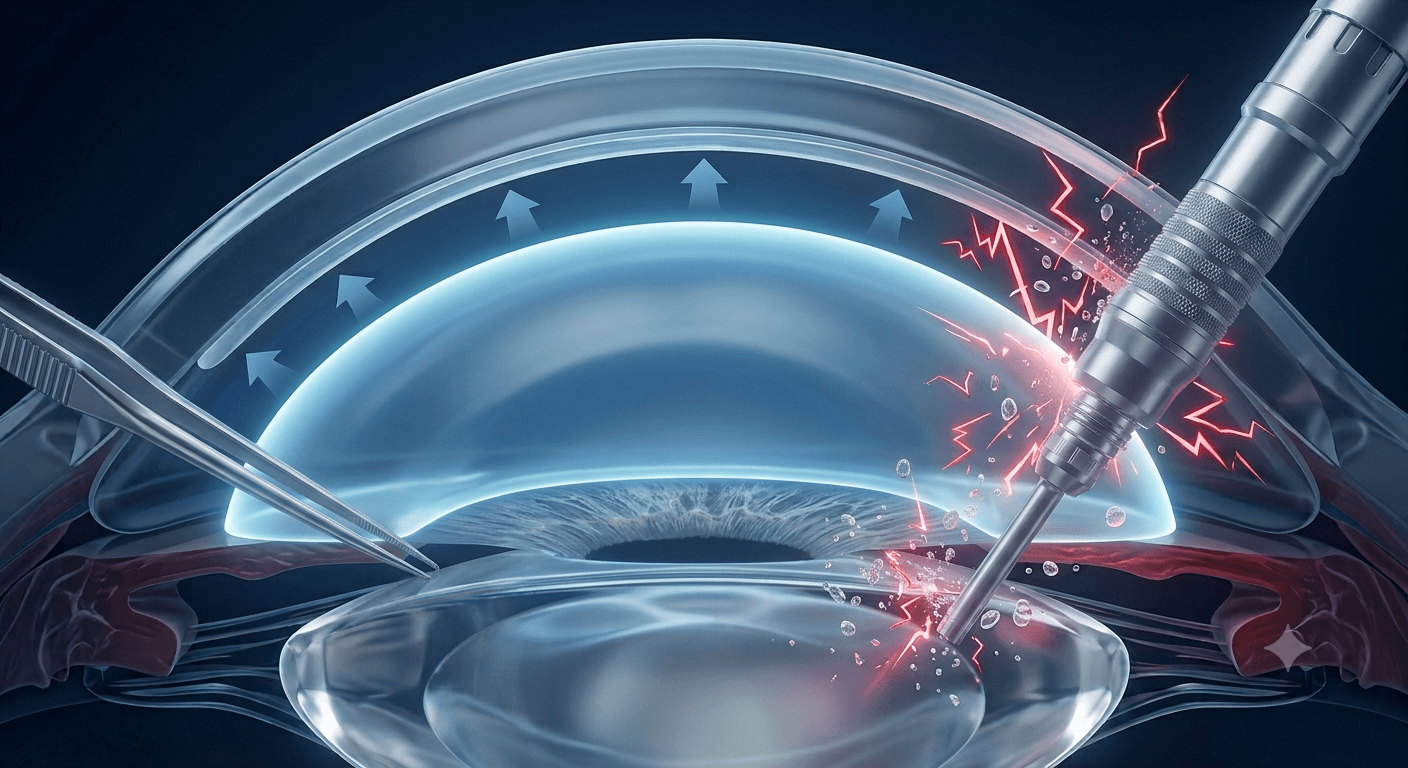
How Ophthalmic Viscosurgical Devices (OVDs) Protect Delicate Eye Structures During Surgery
Modern ophthalmic surgery demands exceptional precision. Whether performing cataract surgery, glaucoma procedures, corneal transplantation, or other anterior segment operations, surgeons work within some of the most delicate tissues in the human body. Protecting these structures is essential for achieving optimal surgical outcomes and preserving vision.
One of the most important innovations supporting modern eye surgery is the Ophthalmic Viscosurgical Device (OVD). Also commonly referred to as an ophthalmic viscoelastic device, an OVD helps maintain surgical space, protects sensitive tissues, and provides the stability surgeons need throughout the procedure.
In this guide, we'll explore how OVDs safeguard delicate eye structures, why they are indispensable in ophthalmic surgery, and how different OVD formulations such as Sodium Hyaluronate (NaHA) and Hydroxypropyl Methylcellulose (HPMC) contribute to safe and effective procedures.
What Are Ophthalmic Viscosurgical Devices (OVDs)?
An Ophthalmic Viscosurgical Device (OVD) is a sterile viscoelastic solution used during intraocular surgery to create and maintain space while protecting ocular tissues from mechanical and surgical trauma.
OVDs are widely used during:
-
Cataract surgery
-
Glaucoma surgery
-
Corneal transplantation
-
Anterior segment reconstruction
-
Intraocular lens (IOL) implantation
-
Other ophthalmic surgical procedures
Their unique viscoelastic properties allow surgeons to manipulate delicate tissues while minimizing the risk of damage.
Why Protecting Eye Structures Matters
The eye contains several transparent and highly sensitive structures that are easily affected during surgery. Even minimal trauma may influence surgical efficiency and postoperative recovery.
Some of the most vulnerable structures include:
Corneal Endothelium
The corneal endothelium is a single layer of cells responsible for maintaining corneal clarity. These cells do not regenerate, making their protection one of the highest priorities during surgery.
Anterior Chamber
Maintaining adequate space inside the anterior chamber enables precise surgical maneuvers while reducing unnecessary tissue contact.
Iris
The iris is delicate and highly vascular. OVDs help minimize manipulation and reduce friction between surgical instruments and surrounding tissues.
Lens Capsule
During cataract surgery, protecting the capsule is essential for successful intraocular lens implantation.
Trabecular Meshwork
Certain glaucoma procedures require careful preservation of this drainage structure to maintain normal aqueous outflow.
How OVDs Protect Delicate Eye Structures
1. Maintaining Anterior Chamber Stability
One of the primary functions of an OVD is maintaining the depth and stability of the anterior chamber throughout surgery.
A stable chamber provides surgeons with improved visibility and greater precision while reducing the risk of accidental tissue injury.
2. Protecting the Corneal Endothelium
Ultrasound energy, irrigation, and surgical instruments can place stress on endothelial cells.
OVDs create a protective coating that helps absorb mechanical forces and reduce direct contact with sensitive tissues, supporting endothelial preservation during surgery.
3. Creating Surgical Space
OVDs gently separate ocular tissues, creating sufficient working space for procedures such as capsulorhexis, lens removal, and intraocular lens implantation.
This improves instrument control while minimizing unnecessary tissue manipulation.
4. Enhancing Surgical Visibility
Because OVDs are optically clear, they maintain excellent visualization throughout the procedure.
Improved visibility enables surgeons to perform delicate surgical steps with greater confidence and accuracy.
5. Supporting Safe Intraocular Lens Implantation
During IOL implantation, OVDs provide cushioning and space that facilitate smooth lens insertion while reducing stress on surrounding tissues.
This contributes to controlled implantation and improved surgical efficiency.
Sodium Hyaluronate OVDs
Sodium Hyaluronate is one of the most widely used materials for ophthalmic viscosurgical devices.
Its cohesive properties provide excellent chamber maintenance while allowing smooth manipulation during surgery.
Advantages of Sodium Hyaluronate
-
Excellent chamber stability
-
Superior optical clarity
-
Smooth intraocular lens implantation
-
High viscoelastic performance
-
Easy removal at the end of surgery
-
Reliable surgical control
Explore Medsprings Sodium Hyaluronate products:
HPMC OVDs
Hydroxypropyl Methylcellulose (HPMC) remains a trusted OVD option for many ophthalmic procedures.
Its dispersive characteristics allow it to coat ocular tissues effectively, providing dependable protection throughout surgery.
Advantages of HPMC
-
Effective endothelial coating
-
Reliable tissue protection
-
Good chamber maintenance
-
Easy handling
-
Cost-effective solution
-
Suitable for routine ophthalmic procedures
Explore Medsprings HPMC products:
Choosing the Right OVD
There is no single "best" OVD for every procedure.
The ideal choice depends on factors such as:
-
Surgical technique
-
Procedure complexity
-
Desired chamber stability
-
Tissue protection requirements
-
Ease of removal
-
Surgeon preference
Many ophthalmic surgeons select an OVD based on its rheological properties and the specific demands of each case.
Applications of OVDs Beyond Cataract Surgery
Although cataract surgery is the most common application, ophthalmic viscosurgical devices are also valuable in many other procedures, including:
-
Glaucoma surgery
-
Corneal transplantation
-
Anterior chamber reconstruction
-
Iris repair
-
Secondary intraocular lens implantation
-
Combined ophthalmic procedures
Their versatility makes them an indispensable component of modern ophthalmic surgery.
Why Quality Ophthalmic OVDs Matter
Selecting a high-quality OVD contributes to:
-
Better surgical control
-
Improved chamber stability
-
Enhanced tissue protection
-
Excellent optical clarity
-
Greater procedural efficiency
-
Consistent clinical performance
For surgeons and healthcare facilities, choosing dependable ophthalmic viscosurgical devices helps support safe, precise, and predictable surgical outcomes.
Frequently Asked Questions
What is an Ophthalmic Viscosurgical Device (OVD)?
An OVD is a sterile viscoelastic material used during ophthalmic surgery to maintain space, protect delicate eye tissues, and improve surgical safety.
What eye structures do OVDs protect?
OVDs help protect the corneal endothelium, iris, lens capsule, anterior chamber, and other delicate intraocular tissues.
Are OVDs used only in cataract surgery?
No. OVDs are also widely used in glaucoma surgery, corneal transplantation, anterior segment reconstruction, and other ophthalmic procedures.
What is the difference between Sodium Hyaluronate and HPMC?
Sodium Hyaluronate generally offers excellent chamber maintenance and cohesive behavior, while HPMC provides dependable tissue coating and endothelial protection. The choice depends on the procedure and surgeon preference.
Conclusion
Ophthalmic Viscosurgical Devices (OVDs) have become an essential part of modern eye surgery by helping protect delicate ocular structures, maintaining surgical space, and supporting precision throughout a wide range of ophthalmic procedures.
Whether using Sodium Hyaluronate for its excellent chamber stability or HPMC for reliable tissue protection, selecting the appropriate OVD plays an important role in achieving safe and efficient surgical outcomes.
At Medsprings, we are committed to supplying high-quality ophthalmic viscosurgical devices that support surgeons in delivering exceptional patient care. Explore our comprehensive range of Sodium Hyaluronate (NaHA) and HPMC OVDs to find solutions tailored to your surgical needs.