


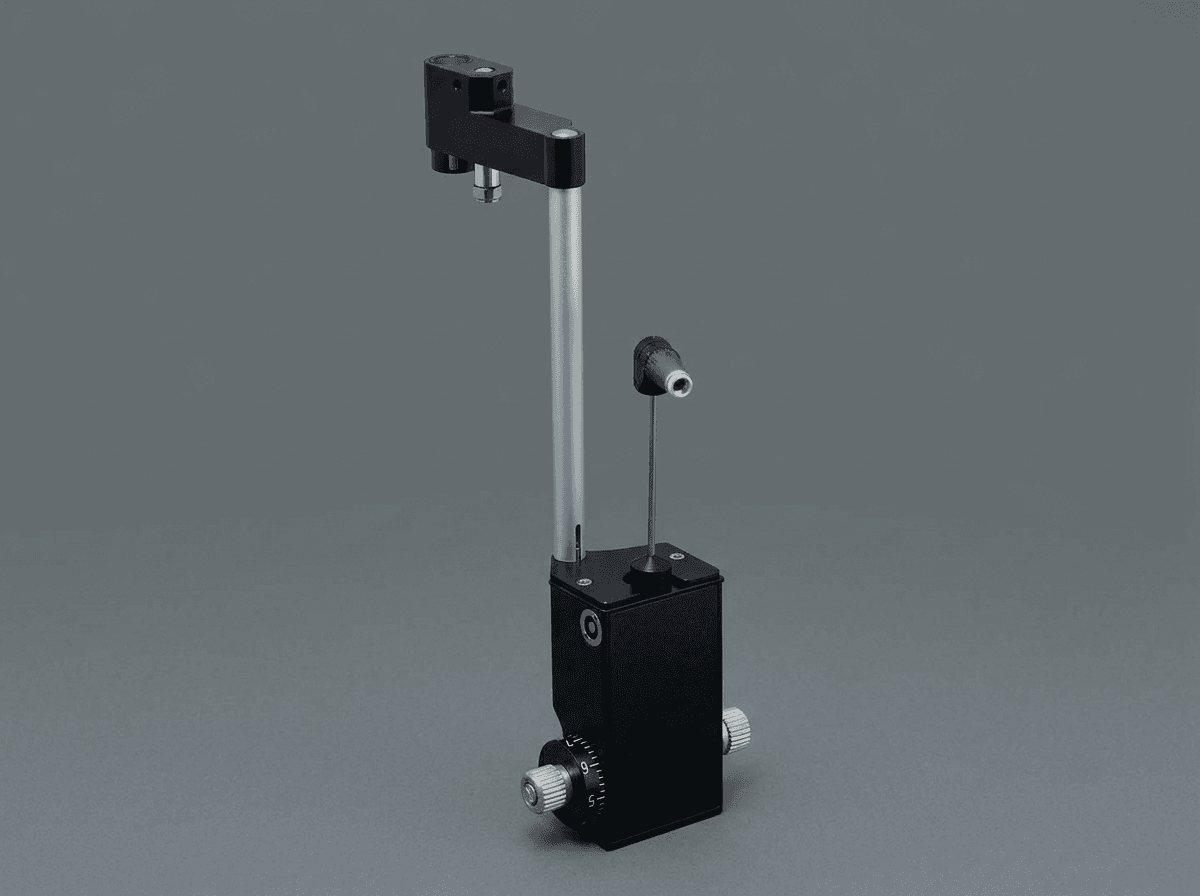
Applanation Tonometer: Principles, Uses & How to Choose an IOP Measurement Device
Measuring intraocular pressure (IOP) is an important part of comprehensive ophthalmic examination. Tonometry provides clinicians with a way to measure the pressure inside the eye and can form an important component of assessment and ongoing monitoring, particularly in glaucoma care.
Among the different types of tonometers available, applanation tonometers use a controlled force to flatten a defined area of the cornea. Goldmann applanation tonometry is widely used in clinical ophthalmology and is typically performed using a slit-lamp-mounted instrument.
For hospitals, ophthalmology clinics, diagnostic centres, and healthcare procurement teams, choosing the right IOP measurement device requires consideration of the measurement principle, clinical workflow, mounting compatibility, operating method, and intended application.
Medsprings provides an Applanation Tonometer as part of its broader ophthalmic equipment and tonometry portfolio. The system uses the Goldmann applanation principle and provides direct IOP readings in mmHg.
What Is an Applanation Tonometer?
An applanation tonometer is an ophthalmic diagnostic instrument used to measure intraocular pressure by determining the force required to flatten a defined area of the cornea.
The principle is based on the relationship between the force applied to the cornea and the area that is flattened. Goldmann applanation tonometry uses a 3.06 mm diameter contact area and is designed to provide a direct relationship between the applied force and the measured IOP.
Unlike non-contact tonometers, which use an air pulse, an applanation tonometer uses a physical prism or contact element to applanate the corneal surface.
What Is Intraocular Pressure?
Intraocular pressure, commonly abbreviated as IOP, refers to the pressure within the eye.
IOP measurement is an important component of ophthalmic examination and can be particularly relevant when assessing and monitoring patients with glaucoma or those at risk of developing pressure-related ocular conditions.
Tonometry does not replace a complete eye examination. Instead, IOP measurement is one component of a broader clinical assessment that may include visual field testing, optic nerve evaluation, retinal examination, pachymetry, and other diagnostic investigations.
How Does an Applanation Tonometer Work?
Applanation tonometry works by measuring the force required to flatten a predetermined area of the cornea.
In the Goldmann method, a prism is positioned against the cornea and used to flatten a 3.06 mm diameter area. The applied force is then related to intraocular pressure.
The Goldmann applanation principle is based on a modified form of the Imbert-Fick law.
The 3.06 mm contact diameter was selected because it provides a practical balance between the effects of corneal rigidity and tear-film surface tension under the Goldmann measurement conditions.
The Basic Measurement Process
A typical applanation tonometry workflow involves:
-
Positioning the patient appropriately at the slit lamp.
-
Preparing the eye according to the established clinical protocol.
-
Positioning the tonometer prism against the corneal surface.
-
Applying a controlled force.
-
Observing the applanation pattern through the slit lamp.
-
Adjusting the force until the appropriate endpoint is obtained.
-
Reading the corresponding IOP value.
The exact examination and preparation procedure should follow the equipment's instructions for use and the healthcare facility's established clinical protocols.
What Is Goldmann Applanation Tonometry?
Goldmann applanation tonometry is a widely used form of applanation tonometry.
The Goldmann tonometer is generally mounted on a slit-lamp biomicroscope, allowing the clinician to observe the cornea and applanation pattern during measurement.
The technique uses an optically clear prism and a controlled mechanical force to flatten a defined area of the cornea.
Because of its established clinical use, Goldmann-style applanation remains an important reference point when discussing IOP measurement equipment.
What Is an Applanation Tonometer Used For?
The primary purpose of an applanation tonometer is intraocular pressure measurement.
IOP measurement can form part of ophthalmic assessment for:
-
Routine eye examinations
-
Glaucoma evaluation
-
Glaucoma monitoring
-
Preoperative assessment
-
Follow-up examinations
-
Patients requiring ongoing IOP monitoring
-
Comprehensive ophthalmic diagnostic workflows
The tonometer should be used as part of a complete clinical examination rather than as a standalone diagnostic tool.
Applanation Tonometer vs Non-Contact Tonometer
Applanation and non-contact tonometers both measure intraocular pressure, but they use different measurement approaches.
Applanation Tonometry
Applanation tonometry uses a controlled contact element to flatten a defined area of the cornea.
Key characteristics include:
-
Physical contact with the cornea
-
Controlled applanation force
-
Slit-lamp-based examination
-
Goldmann applanation principle
-
Direct IOP measurement
Non-Contact Tonometry
Non-contact tonometers use a controlled air pulse to temporarily deform or flatten the cornea and derive an IOP measurement.
Because there is no direct contact between the instrument and cornea, non-contact tonometry can be useful in certain screening and clinical workflows.
The choice between technologies depends on the clinical environment, examination workflow, equipment requirements, and clinician preference.
Medsprings' broader Ophthalmic Equipment portfolio includes applanation, non-contact, Schiotz, and handheld/rebound tonometry solutions.
Why Is the 3.06 mm Contact Area Important?
The 3.06 mm diameter is a defining specification of the Goldmann applanation approach.
Goldmann selected this contact area because, under the intended measurement conditions, the effects of corneal elasticity and tear-film surface tension are balanced sufficiently to establish the relationship between applied force and IOP.
The Medsprings Applanation Tonometer uses a 3.06 mm contact area as specified on its product page.
Key Features to Consider When Choosing an Applanation Tonometer
Hospitals and ophthalmology clinics should evaluate several factors when selecting an applanation tonometer.
1. Measurement Principle
Confirm the measurement principle used by the instrument.
A Goldmann-style applanation system may be preferred when the clinical workflow specifically requires this established measurement approach.
2. Measurement Range
The measurement range should be appropriate for the intended clinical applications.
The Medsprings Applanation Tonometer has a specified measurement range of 0 to 80 mmHg.
3. Measurement Resolution
The instrument's scale and readout should allow clinicians to obtain and interpret the required IOP values.
The Medsprings system specifies 0.2 g scale graduation, corresponding to 2.0 mmHg.
4. Direct IOP Readout
Direct reading can simplify the measurement workflow.
The Medsprings Applanation Tonometer provides a direct scale readout in mmHg, eliminating the need for conversion charts.
5. Slit-Lamp Compatibility
Because Goldmann-style applanation tonometry is typically performed using a slit lamp, mounting compatibility is an important procurement consideration.
The Medsprings system supports slit-lamp guide plate and swivel mounting, with R-type or T-type compatibility specified on its product page.
6. Mechanical Operation
A fully mechanical instrument can have practical advantages in environments where simple operation and independence from electrical power are useful.
The Medsprings Applanation Tonometer is specified as fully mechanical and does not require electrical power.
7. Construction and Durability
Healthcare facilities should consider the instrument's construction, materials, maintenance requirements, and expected operating environment.
The Medsprings model uses corrosion-resistant, high-grade metallic construction and an optical-grade acrylic or glass biprism according to its listed specifications.
Medsprings Applanation Tonometer
The Medsprings Applanation Tonometer is designed for direct intraocular pressure measurement using the Goldmann applanation principle.
According to the product specifications, the instrument provides:
-
Goldmann applanation measurement
-
0–80 mmHg measurement range
-
3.06 mm contact area
-
Direct mmHg readout
-
0.2 g scale graduation
-
Slit-lamp guide plate/swivel mounting
-
R-type and T-type compatibility
-
Fully mechanical operation
-
Corrosion-resistant metallic construction
-
Optical-grade acrylic/glass biprism
The product is positioned within Medsprings' Tonometry | IOP Measurement category.
Choosing an IOP Measurement Device for an Eye Clinic
The right tonometer depends on the clinical environment and the measurement workflow required by the facility.
For General Ophthalmology Clinics
A clinic performing routine comprehensive eye examinations may require a dependable IOP measurement system that integrates into its existing slit-lamp workflow.
For Glaucoma-Focused Practices
Facilities involved in glaucoma assessment and monitoring may place particular importance on consistent IOP measurement and the ability to integrate tonometry into their wider diagnostic workflow.
For Hospitals and Surgical Centres
Larger facilities may require multiple tonometry technologies across different departments and clinical environments.
The decision can therefore involve evaluating whether the facility requires applanation, non-contact, handheld/rebound, or other tonometry approaches.
Factors Beyond the Tonometer Itself
For healthcare procurement teams, choosing an IOP measurement device is not only about technical specifications.
Consider:
-
Clinical application
-
Measurement method
-
Slit-lamp compatibility
-
Product documentation
-
Operator workflow
-
Maintenance requirements
-
Availability of related ophthalmic equipment
-
International supply support
-
Supplier responsiveness
-
Long-term procurement requirements
A specialised ophthalmic supply partner can make it easier to evaluate tonometry alongside other diagnostic equipment.
Tonometry as Part of a Broader Ophthalmic Diagnostic Workflow
IOP measurement is only one part of comprehensive ophthalmic assessment.
Depending on the clinical environment, tonometry can be complemented by:
-
Slit lamps
-
Ophthalmoscopes
-
Pachymeters
-
Corneal topographers
-
Keratometers
-
Biometry systems
-
Vision and refraction equipment
Medsprings' Ophthalmic Equipment portfolio includes dedicated categories for Biometry, Corneal Measurement & Keratometry, Lens Measurements, Ocular Examination, and Tonometry | IOP Measurement.
This creates a broader procurement pathway for hospitals, clinics, diagnostic centres, distributors, and importers.
Applanation Tonometer for Hospitals and Distributors
Hospitals may require reliable tonometry equipment across multiple examination rooms or departments, while distributors may need to source different tonometry technologies according to customer requirements.
For distributors and importers, understanding the differences between applanation, non-contact, Schiotz, and handheld/rebound tonometers can help match equipment to different clinical environments.
Medsprings approaches international healthcare procurement as an ophthalmic supply partner, providing access to multiple ophthalmic equipment categories rather than focusing on a single diagnostic product.
Why Choose a Specialised Ophthalmic Supply Partner?
When sourcing ophthalmic diagnostic equipment, buyers often need more than a product catalogue.
Important considerations include:
-
Clear product specifications
-
Application information
-
Product availability
-
Procurement communication
-
International supply coordination
-
Documentation
-
Support during product selection
-
Access to complementary ophthalmic equipment
Medsprings provides a focused ophthalmic equipment portfolio covering diagnostic, examination, measurement, and clinical requirements for healthcare organisations and international procurement partners.
Frequently Asked Questions About Applanation Tonometers
What is an applanation tonometer?
An applanation tonometer is an ophthalmic diagnostic instrument used to measure intraocular pressure by determining the force required to flatten a defined area of the cornea.
What is Goldmann applanation tonometry?
Goldmann applanation tonometry is a widely used method of IOP measurement that uses a prism to applanate a 3.06 mm diameter area of the cornea. The measurement is typically performed using a slit-lamp-mounted tonometer.
What is an applanation tonometer used for?
An applanation tonometer is primarily used to measure intraocular pressure. IOP measurement can form part of routine ophthalmic examination and glaucoma evaluation and monitoring.
What is the difference between applanation and non-contact tonometry?
Applanation tonometry uses a contact element to flatten a defined area of the cornea, while non-contact tonometry uses an air pulse to deform the cornea without direct contact.
What is the normal measurement range of the Medsprings Applanation Tonometer?
The Medsprings Applanation Tonometer has a specified measurement range of 0 to 80 mmHg.
Does the Medsprings Applanation Tonometer require electricity?
No. The product specifications describe the instrument as fully mechanical and requiring no electrical power.
Is the Medsprings Applanation Tonometer compatible with a slit lamp?
Yes. The product specifications list compatibility with slit-lamp guide plate/swivel mounting and R-type or T-type configurations.
What should I consider when choosing an IOP measurement device?
Consider the measurement principle, intended clinical application, measurement range, readout, mounting compatibility, workflow, maintenance requirements, and compatibility with the existing ophthalmic examination setup.
Explore Tonometry and Ophthalmic Equipment from Medsprings
An applanation tonometer can be an important component of an ophthalmic diagnostic workflow where reliable intraocular pressure measurement is required.
Medsprings provides the Applanation Tonometer alongside other ophthalmic diagnostic and measurement solutions.
Explore the complete Ophthalmic Equipment portfolio, including Biometry, Ocular Examination, Lens Measurement Equipment, and other ophthalmic diagnostic solutions.
For hospitals, ophthalmology clinics, distributors, importers, and healthcare procurement professionals looking for product information or international supply support, contact Medsprings to discuss your requirements.